
Blog
Padel vs. Pickleball: Understanding the Differences

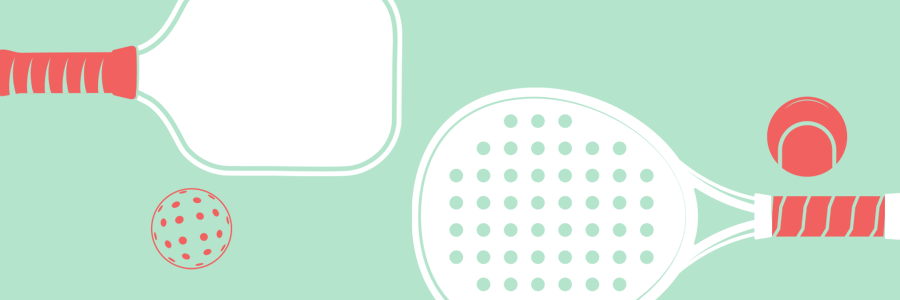
Padel and pickleball have both experienced remarkable growth in the UK. According to Sport England’s Active Lives survey published in 2024, there are now 23,000 padel players and 20,000 pickleball enthusiasts across the country. This surge in popularity highlights the increasing appeal of these dynamic sports among an active population.
Just the other week, I mentioned to a colleague that I play padel. His response? “Oh, is that the one where…?” I quickly realised he was thinking of pickleball. This mix-up made me realise just how often people confuse the two sports—so I decided to break down their differences. In this blog, I’ll compare padel vs pickleball across key areas, including their origins, rules, courts, equipment, and playing style.
History of Padel vs. Pickleball
Although padel and pickleball are relatively new compared to tennis, both have fascinating origins.
| Feature | Padel | Pickleball |
|---|---|---|
| Origin | Invented in 1969 by Mexican businessman Enrique Corcuera, who built the first padel court at his Acapulco holiday home. | Created in 1965 by Joel Pritchard, Bill Bell, and Barney McCallum on Bainbridge Island, Washington, to entertain their kids. |
| Early Expansion | Padel’s origins can be traced back to 19th-century British cruise ships where a similar game was played. | The first official pickleball court was built in 1967, and by 1990, it had reached all 50 U.S. states. |
| Global Growth | Saw major growth during the COVID-19 pandemic. Now has 23,000 players in the UK | .Grew 223.5% in the U.S. over three years (2024 report). Now has 20,000 players in the UK. |
Playing Style
While both padel and pickleball involve fast-paced rallies, their gameplay differs in key ways.
| Feature | Padel | Pickleball |
|---|---|---|
| Game Pace | Fast-paced, involves strategy and spin, uses walls. | Focuses on precision, volleys, and dinking (soft shots near the net). |
| Key Strategy | Using walls to keep the ball in play and creating angles. | Quick reflex exchanges and strategic net play. |
Rules Comparison
The rules of padel and pickleball create distinct playing experiences.
| Rule | Padel | Pickleball |
|---|---|---|
| Court | Larger (20m x 10m), enclosed with walls. | Smaller (13.4m x 6.1m), open court. |
| Walls | Can be used strategically for rebounds. | No walls, play stays within lines. |
| Serving | Overhead area allowed, serve must bounce before return. | Must be below the waist, diagonal serve, no bounce needed before return. |
| Scoring | Tennis-style scoring (15, 30, 40, deuce, advantage). | Rally scoring (11, 15, or 21 points, must win by 2). |
| Double Bounce Rule | No (except on serve return). | Yes (ball must bounce once on each side before volleys are allowed). |
| Volley Zone | No specific restriction. | “Kitchen” (Non-Volley Zone) prevents smashing near the net. |
| Ball Type | Pressurised rubber ball (low bounce). | Plastic ball with holes (lower bounce). |
| Paddle Type | Solid, perforated padel racket. | Solid, smooth pickleball paddle. |
Equipment:
Padel vs. Pickleball Bats/Paddles
A key difference between padel and pickleball lies in the paddles used.
| Feature | Padel Racket | Pickleball Paddle |
|---|---|---|
| Shape | Solid racket with perforations. | More like a table tennis paddle, flat solid surface. |
| Material | Made from carbon fibre, fibreglass, or EVA foam. | Made of wood, composite, or graphite with a polymer/honeycomb core. |
| Weight | Heavier (350-380g), thicker (~38mm). | Lighter (200-250g), thinner (~13-16mm). |
| Length | Max 45.5 cm (17.9 inches). | Max 43.18 cm (17 inches). |
| Hole Patterns | Larger holes (~13mm) = More power, less control. Smaller holes (~9mm) = More control, less power. | No holes, but some textured surfaces for spin. |
Padel vs. Pickleball Balls
The balls used in padel and pickleball are look and perform completely differently.
| Feature | Padel Ball | Pickleball |
|---|---|---|
| Material | Pressurised rubber, similar to a tennis ball but with lower pressure. | Lightweight plastic with holes. |
| Bounce | More controlled, lower bounce. | Holes reduce air resistance, preventing excessive speed. |
| Variety | Standard size for indoor and outdoor use. | Indoor balls have fewer, larger holes; outdoor balls have more, smaller holes (to resist wind). |
Padel vs. Pickleball Courts
Court design plays a crucial role in each sport’s gameplay.
| Feature | Padel Court | Pickleball Court |
|---|---|---|
| Size | 20m x 10m (65.6ft x 32.8ft) | 13.41m x 6.1m (44ft x 20ft) |
| Walls | Enclosed with glass and metal mesh, allowing ball rebounds. | No walls, open playing area. |
| Surface | Artificial turf or concrete with sand. | Hard surface like acrylic or asphalt. |
| Net Height | 88 cm (34.6 inches) in the centre, 92 cm (36.2 inches) at the posts. | 86 cm (34 inches) in the centre, 91.5 cm (36 inches) at the posts. |
Conclusion
While padel and pickleball share elements such as doubles play, underhand serves, and fast-paced rallies, their key differences include padel’s use of walls, pickleball’s kitchen rule, and their distinct scoring systems. Additionally, the courts, equipment, and playing style vary significantly, catering to different types of players. Whether you enjoy the strategic wall play of padel or the quick volleys of pickleball, both sports offer an exciting way to stay active!
